
We partner with professional vehicle transport companies that specialize in shipping all types of vehicles across all 50 states!
Whether you are relocating across the country, buying a vehicle from another state, or sending a car to a college student, car shipping services take a complex logistics challenge and turn it into a manageable process. This guide walks you through everything: who needs auto transport, how it works from first quote to final delivery, what it costs in Los Angeles, and how to make smarter decisions at every step.
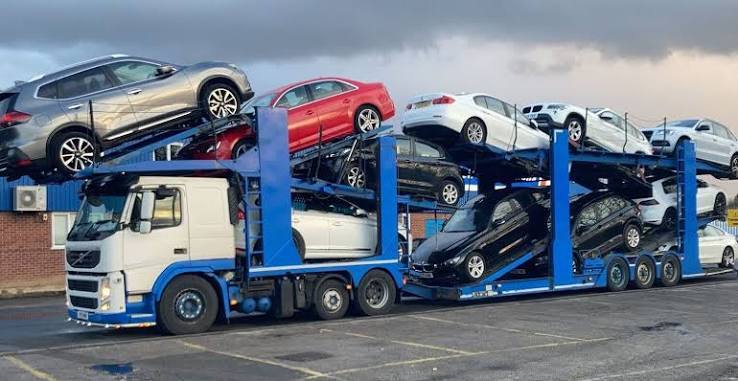
Auto transport is not a niche service reserved for collectors or dealerships. It is a practical solution for millions of everyday Americans in situations where putting thousands of miles on a vehicle, or simply driving it at all, does not make sense.
The range of people using vehicle shipping is broader than most first-timers expect. Families relocating for work or lifestyle changes use it to avoid long drives and protect their vehicles from added wear. Online car buyers use it to receive vehicles purchased from sellers in other states, which has become increasingly common as the used-car marketplace has gone digital. Students heading to universities across the country — including those enrolled at schools in the LA area — ship their cars rather than making multi-day road trips alone. Military families, who move more frequently than almost any other group in the country, rely on it as a standard part of every relocation. Dealerships use it regularly to move inventory, fulfill out-of-area orders, and send vehicles to auctions. Snowbirds heading between warmer and cooler states seasonally keep demand high in the fall and spring months.
The case for auto transport over driving comes down to four things: mileage, time, cost, and stress. A cross-country drive adds two thousand or more miles to your odometer, increases the risk of a breakdown in an unfamiliar area, and costs money in fuel, food, and lodging. When you factor in wear and tear, the economics often favor shipping, especially for newer, higher-value, or low-mileage vehicles.
Flexibility is another advantage. When a carrier handles your vehicle, you can fly directly to your destination and have your car waiting for you or focus your energy on the move itself without spending four to seven days on the road.
For most first-time customers, the auto transport process is simpler than it looks. It follows a clear sequence from initial quote to final delivery, and understanding each stage removes most of the uncertainty.
Before booking, it helps you to understand who you are working with. A carrier is the company that physically owns and operates the transport truck. A broker is an intermediary who matches your shipment with an available carrier from their network.
Many of the largest and most well-reviewed companies in the industry operate as brokers. They offer wider reach, faster carrier matching, and often handle customer service throughout the process. Carriers, on the other hand, give you a more direct relationship with the driver. Both models are legitimate; what matters is checking licensing, insurance, and customer reviews regardless of which type you use.
This is the standard sequence for a typical auto transport shipment:
A few preparation steps directly affect how smoothly the inspection goes and how protected you are if any issue comes up later. Take photographs of every angle of your vehicle, including the interior, before the carrier arrives. Note any existing scratches, dents, or damage so there is no ambiguity at delivery. Deactivate toll tags to avoid charges during transit. Disable any aftermarket alarms, since a triggered alarm during transport creates problems for drivers and could delay your shipment. Do not leave a spare key in the vehicle.
Los Angeles is one of the busiest auto transport hubs in the country. Its population size, car culture, major port infrastructure, and constant migration activity mean there is strong carrier density across most routes, which keeps pricing competitive and wait times shorter than in many other metro areas.
California’s geography means in-state shipping is common, especially along the coast and between major metro areas. These are among the most frequently booked routes from the LA area:
| Route | Approx. Miles | Estimated Transit |
|---|---|---|
| Los Angeles → San Diego | ~120 miles | 1–2 days |
| Los Angeles → San Francisco | ~380 miles | 1–3 days |
| Los Angeles → Sacramento | ~380 miles | 1–3 days |
| Los Angeles → Las Vegas | ~270 miles | 1–2 days |
| Los Angeles → Phoenix | ~370 miles | 1–3 days |
The LA-to-San Francisco corridor is one of the busiest shipping lanes in the state, which typically means competitive rates and shorter carrier wait times. Remote or rural destinations within California may incur a small surcharge or have longer assignment windows due to fewer available carriers.
Los Angeles’s position on the West Coast makes it a natural gateway for long-distance routes heading east. Major Interstate corridors, I-5 northbound, I-10 eastbound, and I-405, support high carrier traffic and help keep cross-country pricing more competitive than it might be from less-served locations.
Common long-distance routes from LA and their estimated transit times include:
| Route | Approx. Miles | Estimated Transit |
|---|---|---|
| Los Angeles → Denver | ~1,020 miles | 4–6 days |
| Los Angeles → Dallas | ~1,430 miles | 5–7 days |
| Los Angeles → Seattle | ~1,140 miles | 5–7 days |
| Los Angeles → Chicago | ~2,020 miles | 7–10 days |
| Los Angeles → Miami | ~2,750 miles | 7–10 days |
| Los Angeles → New York | ~2,800+ miles | 8–11 days |
For cross-country shipments, enclosed transport is worth considering for luxury, classic, or high-value vehicles, since the longer journey increases exposure time on open carriers. Winter routes that cross the Sierra Nevada or Rocky Mountain passes can add one to two days during severe weather, typically between December and February.
Choosing the right shipping method comes down to your vehicle, your budget, and how much protection you want during transit. Think of it like booking a flight — the destination is the same, but the experience and price differ based on how you choose to get there.

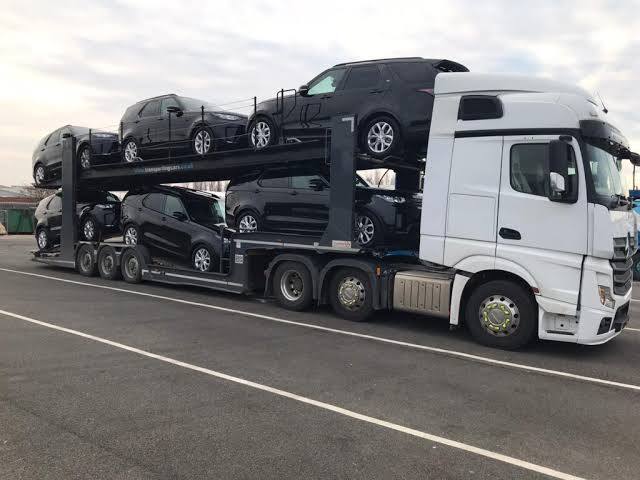
Open auto transport is the industry standard and accounts for roughly 90 percent of all shipments. Your vehicle travels on a multi-car open trailer alongside seven to ten other vehicles. It is the most affordable and widely available method, and it works well for standard sedans, SUVs, trucks, and daily drivers. While the vehicle is exposed to the elements, actual weather-related damage is uncommon on well-maintained carriers and well-traveled routes.
Enclosed auto transport places your vehicle inside a covered trailer, protecting it from road debris, weather, dust, and prying eyes. It costs 30 to 60 percent more than open transport, and there are fewer carriers available for this method. However, it is the preferred choice for luxury vehicles, classics, exotics, and any car where conditions are especially critical. If the value of your vehicle justifies the added protection, enclosed is worth the premium.
Some carriers also offer a Top Load placement option on open trailers, which positions your vehicle on the upper deck to avoid any potential fluid drips from vehicles above, a small but meaningful detail for certain owners.
Beyond the trailer type, you will also choose how pickup and delivery are handled.
Door-to-door service means the carrier picks up and delivers your vehicle as close to your specified address as possible. In most cases, the driver comes directly to your home or workplace. In dense urban areas or neighborhoods with restricted access for large trucks, the driver may ask you to meet at a nearby accessible location. This method is more convenient, slightly more expensive, and typically faster.
Terminal-to-terminal service requires you to drop off and pick up the vehicle at designated transport hubs. It is less common today than it once was, but it remains a cost-effective option for budget-conscious shippers who live near a terminal. The tradeoff is that your vehicle may sit at a terminal for a period before transport, and you need to factor in your own travel to and from the drop-off and pickup points.
| Feature | Door-to-Door | Terminal-to-Terminal |
|---|---|---|
| Pickup/Drop-off | At or near your address | At designated hubs |
| Convenience | High | Moderate |
| Cost | Higher | Lower |
| Speed | Often faster | May involve longer waits |
| Best For | Personal moves, high-value vehicles | Budget-focused shippers near terminals |